Case Study: Successful Event-Based Marketing Campaigns


Introduction to Event-Based Marketing
Event-based marketing has become a powerful tool for businesses looking to engage customers in meaningful ways. By leveraging events, companies can create memorable experiences that resonate with their target audience and drive measurable results. Successful campaigns often combine creativity, strategic planning, and effective execution.
In this case study, we'll explore some of the most successful event-based marketing campaigns and uncover the strategies behind their triumphs. From product launches to community festivals, these examples demonstrate the impact of well-executed event marketing.

Case Study 1: Product Launch Extravaganza
One of the most effective uses of event-based marketing is during a product launch. A leading tech company recently orchestrated a spectacular event to unveil its latest gadget. The event was attended by industry influencers, media, and potential customers, all eager to see the new product in action.
The campaign's success was driven by several key factors:
- Engaging Presentation: The product was showcased through interactive demonstrations and hands-on experiences, allowing attendees to connect with it on a personal level.
- Strategic Partnerships: Collaborations with popular tech bloggers and influencers amplified the event’s reach, generating buzz across social media platforms.
- Follow-Up Content: Post-event marketing efforts included video highlights and customer testimonials, ensuring continued engagement.

Case Study 2: Community Festival
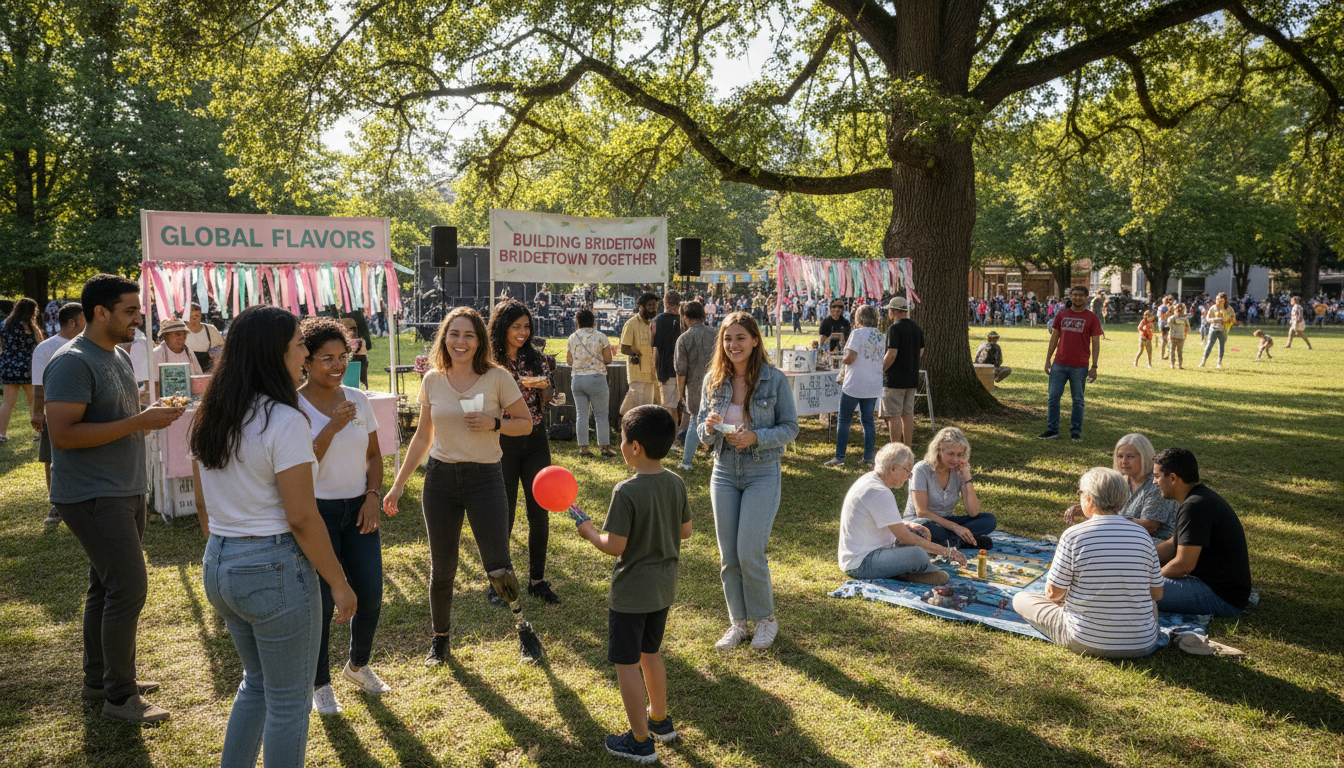
In a bid to strengthen community ties and boost brand loyalty, a local business organized a community festival. This event featured food stalls, live music, and family-friendly activities, drawing crowds from the surrounding areas.
The festival's success was attributed to:
- Local Collaboration: Partnering with local vendors and artists not only enriched the festival experience but also fostered community support.
- Social Media Engagement: A dedicated hashtag was used to encourage attendees to share their experiences, creating a vibrant online community.
- Charitable Initiatives: Part of the proceeds was donated to a local charity, enhancing the brand’s image and purpose.
Case Study 3: Interactive Workshops
A national retail chain successfully utilized interactive workshops as part of its event-based marketing strategy. These workshops offered customers the chance to engage directly with products, guided by expert demonstrations.
Key elements of this campaign included:
- Personalized Experience: Customers received one-on-one attention from product experts, fostering deeper connections with the brand.
- Exclusive Offers: Attendees were given exclusive discounts and early access to products, incentivizing participation and purchase.
- Feedback Loop: The event served as a platform to gather customer feedback, which was invaluable for future product development.

Conclusion: The Power of Event-Based Marketing
Event-based marketing, when executed creatively and strategically, can lead to significant brand growth and customer engagement. By learning from successful campaigns, businesses can craft their own events that not only attract attention but also build lasting relationships with their audience.
Whether it's a grand product launch, a community festival, or an interactive workshop, the key lies in understanding your audience and delivering experiences that resonate. With the right approach, event-based marketing can be a game-changer for your brand.